Most advice about how to become the best version of yourself focuses on tactics.
Do this morning routine.
Read these books.
Follow this productivity system.
Those have a place, but true self-improvement requires an understanding of the complete picture. Who you are and how all the parts work together.
You’re not just a brain that needs to be more productive. You’re not just a body that needs to be healthier. You’re not just a soul searching for meaning.
You’re all three at once, and they’re all connected.
This article will give you frameworks that took me a decade to learn.
You’ve read surface-level guides, but they didn’t do the trick. So now it’s time to go deep.
We’re going to talk about mind, body, and spirit—what they are, how to strengthen each one, and—most importantly—how to make them work together so you can actually become your best self.
This process is a marathon, not a sprint. But if you’re willing to put in the work, I’ll show you exactly where to focus your energy.
Let’s dive in.
Don't wait to become your best self.
Gain real confidence, build your resume, and get paid.
Understand the three pillars of self
If you want to figure out how to be the best version of yourself, it’s important to understand the meaning of the word “self.”
As a human being, you have multiple different aspects that make up who you are.
Your mind, your body, and your spirit.
I’ll break down how these pieces of you work together, have a symbiotic relationship with each other, and overlap.
Mind: A high-performance brain and strong mindset

Let’s talk about two parts of you that are separate yet inseparable: your brain and your mind.
Your brain is the physical hardware—the organ that handles cognitive tasks like writing, problem-solving, and decision-making. It’s where thoughts spark through neural pathways and intellect takes shape.
Your mind is the software running on that hardware. It’s where your beliefs, values, and mental traits live—resilience, optimism, courage, and wisdom. It shapes your perception of reality and drives every choice you make.
Personal growth means training both. Here’s how.
Protect your cognitive performance
A couple of years ago, I noticed I wasn’t as sharp as I used to be. I was frustrated by my brain fog and slower recall.
I had a hunch this was related to the endless distractions of modern life: social media, notifications, constant information overload. Every app switch and alert drained my focus like a slow leak in my brainpower.
I didn’t need a study to tell me this—I could feel it. So I built a few rules:
- Zero notifications on my phone
- No checking my phone first thing in the morning
- Scheduled deep work every morning
Other things that help:
- Music/podcast detoxes: Go a few days without any external noise
- Decluttering my space: A clean environment sharpens my focus
- Outsourcing small tasks: Handing off laundry, meal prep, and cleaning protects my mental bandwidth
TLDR: To increase your focus, reduce cognitive clutter. I’m not a biohacker, but I know this—if you’re constantly task-switching, you’ll never reach your goals as fast as you could.
Try creatine supplementation
Creatine isn’t just for muscles—it fuels your brain, too. Experts like Dr. Andrew Huberman and Dr. Rhonda Patrick recommend it for cognitive health.
Here’s the science: Creatine helps regenerate ATP (adenosine triphosphate), the energy your brain uses for demanding mental tasks. Research shows it can improve working memory, reduce mental fatigue, and sharpen processing speed—especially under stress or sleep deprivation. The typical cognitive dose is 5 grams per day.
Prioritize diet and exercise
Diet and exercise are the foundation of brain health. I’m not perfect, but I try to stick to brain-boosting foods like blueberries, fatty fish, and walnuts.
I lift weights four times a week and do zone 2 cardio because, honestly, the connection between cardio and mental clarity is undeniable.
Your brain just runs better on movement and nutrients.
Take a hard look at your belief system
A high-performing brain gives you the ability to think—but a strong mind gives you the framework to act.
Your beliefs are the operating system that determines everything else: what you think is possible, how you respond to challenges, and what you ultimately achieve.
Many of those beliefs were installed early in life. They weren’t conscious decisions, but they became invisible rules that dictate how you live.
Warren Buffett said:
“The chains of habit are light until they’re too heavy to be broken.”
The same is true of beliefs. We cling to the familiar—even when it’s killing our growth—because it feels safe. Changing them means confronting the version of yourself that wants to stay comfortable.
Start by acknowledging where you are. Awareness breaks the spell.
Adopt new beliefs when needed
To build a strong mind, replace limiting beliefs with empowering ones—and repeat them until they stick.
Here are a few worth adopting:
- All skills and traits are learnable
- If you do the work long enough, success becomes inevitable
- You don’t need anything outside yourself—you’re capable when you take the right actions
- It’s never too late to reinvent yourself
Remember that limiting beliefs hold people back from the lives they want to live. Challenge these beliefs:
- I’m the type of person/I’m not the type of person belief: Any belief that runs counter to what you want in life, excused by saying that’s “just how I am”
- I am fundamentally not worthy of success: Guilt and shame-based beliefs that make you feel like you’re undeserving of things like love, financial success, or even good fortune in general
- Externalizing blame and robbing you of agency: Attributing all your problems to factors outside your control rather than taking ownership of your choices and circumstances
- Making enemies instead of collaborators and comrades: “Everyone is out to get me, woe is me.”
- Success is reserved for the lucky and privileged: Chance plays a role in your success. Circumstances, of course, play a role. But it is of no use to you to have fatalist beliefs about either.
When those thoughts come up, don’t argue—replace them.
- Find examples that run counter to your beliefs: Actively seek out stories and evidence of people who overcame the same obstacles you face
- Understand how the false consensus effect works: For your beliefs to be true, everyone in the same situation would have to feel the exact same way as you do
- Conscious and positive self-talk: Speak to yourself the way you’d speak to someone you’re mentoring—with encouragement, belief, and high standards
Body: Physical performance for peak achievement
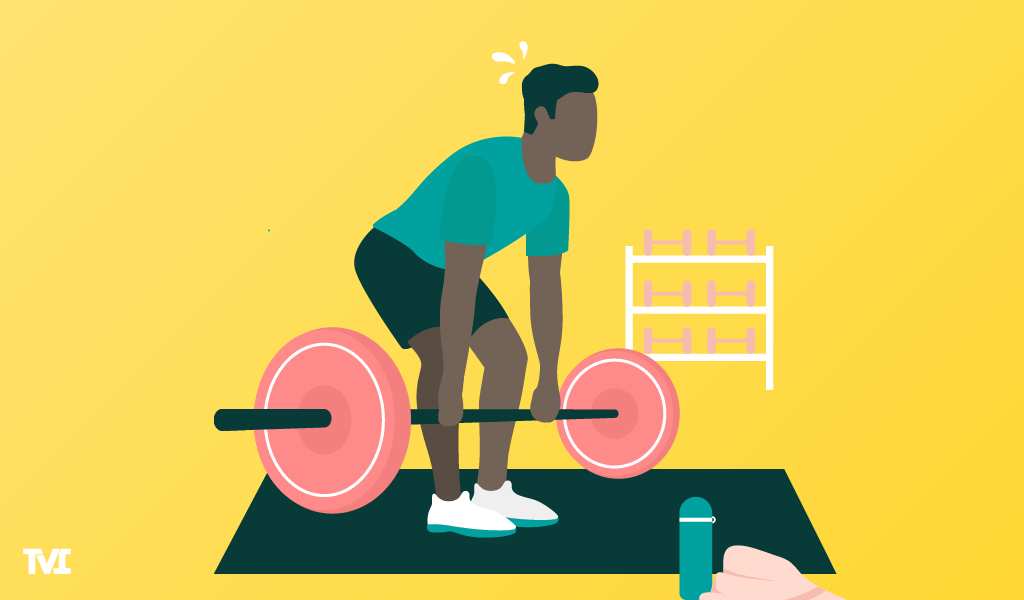
When most people say they want to become the best version of themselves, they’re talking about chasing a dream—starting a business, becoming an artist, or making a difference somewhere in the world.
But none of that’s possible if your body’s running on low battery.
Pain, fatigue, and sluggishness drain the same energy you need to create, build, and grow.
A few months ago, I started noticing a theme among high-performing entrepreneurs like Alex Becker. No matter their industry, they all said the same thing: Your physical health is your performance multiplier.
Eat a low-inflammation diet
For years, I’d grab a sub or burrito at lunch, then feel like I needed a nap. I’d brush it off, but that midafternoon crash wasn’t normal.
Refined carbs spike your glucose, trigger insulin, then drop you hard. Hello, brain fog and zero motivation.
These days, I keep it simple:
- Fast until noon or eat something light (protein shake or eggs)
- Break the fast with protein-heavy meals like a salad with chicken
- Avoid heavy, processed carbs during the day
Your gut and brain are more connected than you think. The cleaner you eat, the clearer you think. What and when you eat both matter.
Do everything you can to avoid sedentary living
Sitting is the modern slow death.
Of course, it’s also unavoidable for a large chunk of the workforce. So, if you have to do it, at least sit in the best way possible:
Organize your spine. Keep your ribcage down. Squeeze your butt. Get your feet, knees, and hips in a stable position. If you’re going to sit, make sitting an active position, not a collapsed one.
—Dr. Kelly Starrett
Posture, mobility, and movement all affect your ability to think and perform. Here’s what I do:
- Get up and walk every 90 minutes
- Hit 10,000 steps daily
- Use treadmill desks or stand when I can
- Sit in an ergonomic chair (worth every penny)
You don’t have to live at the gym—just avoid being sedentary. A 20-minute walk clears your head, boosts creativity, and resets focus.
The small stuff adds up
Everyone wants the magic bullet for self-improvement. The truth? It’s the little things that make or break your momentum.
The losing game is “death by a thousand cuts”:
- Skipping sleep and living off caffeine
- Eating heavy, processed meals that drain your energy
- Sitting for hours without moving or stretching
- Letting posture slide until your neck and back constantly ache
- Staying indoors all day with zero sunlight or fresh air
- Ignoring small health issues that turn into chronic pain later
Your habits are either fueling you or draining you.
When I see someone downing a 900-calorie “coffee,” scrolling TikTok, and sitting for 8 hours straight, I don’t judge—I get it. But it’s no mystery why they feel stuck.
Your body is your environment. Treat it like your foundation, not an afterthought.
Spirit: Purpose, connection, and inner vitality

How do you define the human spirit? You can’t quite pin it down—but you know it when you feel it.
It’s that sense of aliveness—energy, passion, and purpose radiating from within. When someone’s filled with spirit, you can almost feel it in the air.
I’ve become more open to the idea that our energy, aura, or whatever you call it, is real. While this is a big topic, for the purposes of this article, let’s look at strengthening your spirit in these ways: connecting to purpose, people, and something bigger than yourself.
Find your purpose through natural strengths
Your purpose isn’t hidden—it’s usually right under your nose, in the things that come naturally to you.
Pay attention to:
- What have other people told you you’re good at?
- What did you want to do as a kid (before the world told you to “be realistic”)?
- What comes easily to you that’s difficult for others?
- What can you talk about nonstop and love to nerd out on?
- What would you do if you weren’t afraid to fail?
These clues point toward your zone of genius—the work or calling that lights you up.
As Stephen Pressfield said:
“Fear tells us what we have to do. Remember one rule of thumb: the more scared we are of a work or calling, the more sure we can be that we have to do it.”
I was born to write. After years of chasing random business ideas, I finally found something that clicked. When I wrote my first article a decade ago, I never looked back. You’ll know you’ve found yours when the work gives more energy than it takes.
Become someone you want to be friends with
Your relationships shape your spirit. The people around you can either lift you higher or drain you dry.
Robert Greene wrote, “Avoid the unhappy and unlucky.” That doesn’t mean abandon struggling friends—it means be mindful of those who live in perpetual negativity.
Surround yourself with good people who:
- Prioritize their health
- Pursue long-term goals
- Work hard at their careers
- Support others
- Radiate optimism
The best way to attract those people? Be one of them.
When you’re quietly improving—reading, working out, meditating, showing up differently—others notice. You don’t have to tell them you’re changing. They’ll feel it. Like attracts like.
Always be social
Having random conversations increases your surface area of luck.
The more conversations you have with people, the more opportunities arise for serendipitous encounters.
That’s why I love working in coffee shops—I strike up random conversations all the time. Sometimes it leads to work, sometimes a date, sometimes just a laugh.
You never know the connection you might make, so put yourself out there.
Become a regular at places you love. Learn names. Tip well. Be kind and curious.
Treat the world like your playground—full of potential, energy, and opportunity—and it will start responding to you the same way.
Join a community
Isolation is one of the quickest ways to drain your spirit.
We start to believe we’re separate—competing, comparing, resenting—when in reality, we’re all made of the same stuff. Stardust. Energy. Consciousness. Whatever you call it, we share it.
Become a joiner.
Go out and do stuff in your city to feel more a part of it, to be social and meet others—pop-up events, food festivals, local bands, poetry readings, whatever.
Get involved in communities that align with your beliefs—church or synagogue, clubs, workout groups, volunteer projects, hobby circles.
It’s hard to feel hopeless when you’re bonding over shared values or interests and building lasting connections.
As Brené Brown said:
“Connection is why we’re here; it is what gives purpose and meaning to our lives.”
Strengthen your spirit with these practices
Big ideas don’t mean much without small, daily rituals. Try these:
Prayer or Gratitude Practice: Whether you’re religious or not, taking time to express gratitude or connect with something greater than yourself is powerful. Each morning, write down three things you’re grateful for. This simple act rewires your brain to notice abundance rather than scarcity. Journaling: Writing is thinking. Spend 15 minutes each day journaling about your thoughts, feelings, goals, and experiences. This practice helps to process emotions, gain clarity, and track growth over time. Affirmations: Speak positive statements about who you are becoming into existence. “I am capable of achieving my goals,” “I bring value to those around me,” “I am worthy of success.” It might feel silly at first, but consistent affirmations reshape your self-concept. Visualization: Spend time each day visualizing your ideal life in vivid detail. See yourself achieve your goals, feel the emotions of success, and imagine the person you’re becoming. This practice programs your subconscious mind and activates the reticular activating system to notice opportunities aligned with your vision.Meditation: Start with just 10 minutes a day of sitting quietly and focusing on your breath. This practice helps you observe your thoughts without judgment and creates space between stimulus and response. Over time, meditation builds mental resilience and helps you tap into a deeper sense of peace.
Each practice compounds, building a deeper well of strength you can draw from when life gets tough.
How to make progress in becoming the best version of yourself
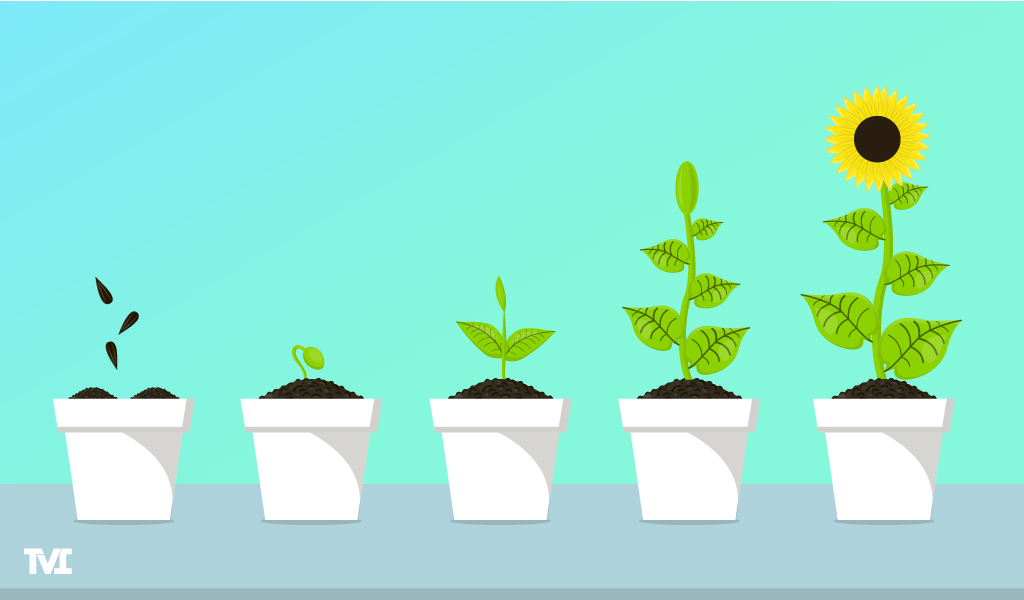
Most people try to build the best version of themselves by adding more—more habits, more hacks, more goals. But often, the real progress comes from subtraction.
Invert, then improve
Charlie Munger once said, “All I want to know is where I’m going to die, so I’ll never go there.”
That’s inversion: instead of asking, “What should I do to succeed?” ask, “What should I stop doing to fail less?”
You don’t need to know every path to success—just avoid the obvious paths to self-sabotage. As Nassim Taleb would say, focus on via negativa: removing what clearly doesn’t work.
Start by subtracting
Think of your life as a backpack. And every bad habit—poor sleep, constant scrolling, toxic people, junk food—is another dumbbell you’re carrying in your bag, uphill.
The climb doesn’t get easier until you drop the weight.
Here’s a simple practice: Write down every behavior, environment, or relationship that consistently leaves you feeling worse after the fact.
That list is your starting point. Your job isn’t to do more. It’s to stop doing what drags you down.
Common examples:
- Addictions that control you (scrolling, drinking, sugar, etc.)
- Toxic or low-energy people
- Environments that make discipline impossible
- Chronic sloth or unreliability (as Munger says, those two alone can sink anyone)
Even removing one or two of these creates massive leverage. The fewer things working against you, the more every positive action compounds.
Change your environment, change your identity
Willpower is weak. Environment is stronger.
If you want to quit drinking, stop going to bars.
If you want to write more, spend time around writers.
If you want to get fit, surround yourself with people who train.
Each small environmental shift reinforces a new identity—one that doesn’t need to rely on brute discipline.
Your momentum will build and growth becomes almost automatic.
The long game
Becoming the best version of yourself is about showing up consistently and intentionally across all three pillars.
I love Earl Nightengale’s definition of success here:
Success is the progressive realization of a worthy ideal.
Some days you’ll nail it. Other days you’ll slip. That’s fine. Just focus on gaining momentum.
Keep protecting your attention. Moving your body. Pursuing what makes you feel alive. Showing up for the people who matter. Removing the obviously stupid stuff.
The best version of yourself quietly emerges over time by making intentional choices, day after day, year after year, across your mind, body, and spirit.
That’s the long game. And it’s worth playing.